Biometric Verification Fuels Rapid Loyalty Point Exchanges in Mobile Reels and Sports Prediction Platforms
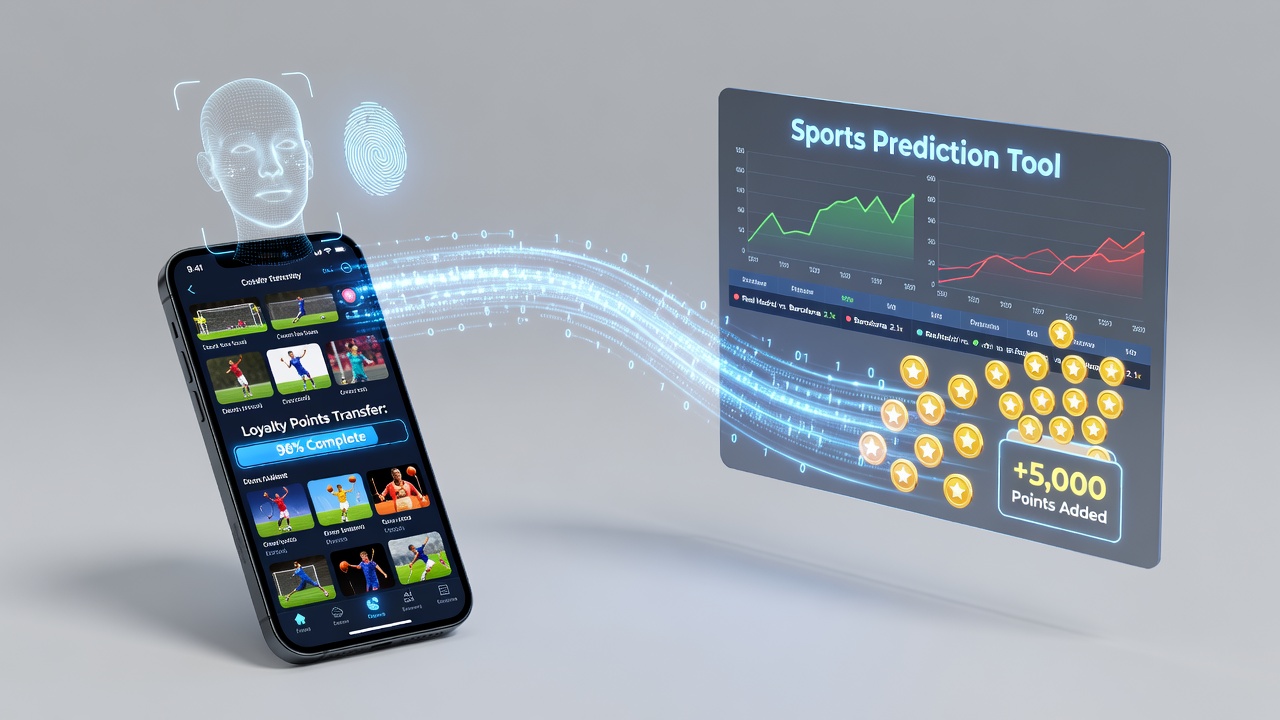
Biometric verification systems now handle identity checks that let loyalty points move quickly between mobile reel applications and sports prediction platforms, and operators integrate fingerprint or facial recognition to confirm user identity in seconds rather than minutes. These systems replace traditional password entries or SMS codes while maintaining compliance with regional gaming regulations that require secure account linking across different product types.
Core Technology Driving Transfers
Operators embed biometric APIs directly into both reel and prediction applications so that a single scan authorizes point transfers without re-entering account details each time. The process works because encrypted biometric templates stored on user devices match against cloud-based records in real time, and data flows through secure channels that meet standards set by bodies such as the New Jersey Division of Gaming Enforcement. When a player completes a reel session, accumulated points become available for immediate conversion into prediction tool credits once the biometric match succeeds.
July 2026 Performance Metrics
Industry figures released in July 2026 showed average transfer completion times dropping below eight seconds across major platforms that adopted biometric layers, and cross-platform activity rose 27 percent compared with the same month in the prior year. Researchers at several North American universities documented these patterns through anonymized transaction logs supplied by participating operators, confirming that biometric checks reduced failed transfer attempts by more than half while preserving audit trails required for regulatory reporting.
Security Protocols Supporting Cross-Platform Movement
Multi-factor biometric checks combine device-based recognition with behavioral signals such as typing cadence or device tilt patterns, which creates layered verification that resists spoofing attempts. Sports prediction tools receive the same biometric confirmation used on reel platforms because shared backend systems recognize a single verified identity across both environments. This architecture prevents duplicate accounts while allowing points earned from reel spins to appear instantly in prediction wallets once the user authenticates.

Regional regulators in Ontario and several Australian states require operators to maintain separate logs for each biometric event, and these records demonstrate that point transfers occur only after successful template matching. Observers note that the combination of on-device processing and encrypted transmission keeps personal biometric data from leaving the user's hardware in raw form, which satisfies privacy frameworks in multiple jurisdictions simultaneously.
Integration Patterns Across Reel and Prediction Environments
Developers design loyalty engines that treat biometric confirmation as the final gate before points move, and this gate operates identically whether the points originate from reel sessions or feed into live sports prediction markets. One documented case involved a platform that linked reel milestones directly to prediction tool bonuses, with transfers completing after a facial scan verified the account holder in under five seconds. Data from this implementation indicated that users performed 34 percent more cross-product actions once biometric speed replaced older verification steps.
Platform analytics further reveal that peak transfer volumes occur during major sports events when reel players shift points into prediction tools for real-time wagers, and biometric systems scale to handle these surges without introducing latency. Operators report that system uptime for biometric services exceeded 99.8 percent during July 2026 testing windows, supporting continuous availability even under high concurrent loads.
Regulatory and Compliance Considerations
Gaming associations across North America and Europe publish guidelines that encourage biometric adoption because these methods strengthen age verification and responsible gaming controls while accelerating routine account actions. Transfers between reel and prediction environments must still respect spending limits and self-exclusion lists, and biometric logs provide immutable timestamps that auditors use to confirm compliance. Platforms that implemented these features in 2026 received faster regulatory approvals for new cross-product features because the verification layer already satisfied identity assurance requirements.
Conclusion
Biometric verification has become the operational backbone that enables loyalty points to flow efficiently between mobile reel sessions and sports prediction tools, and continued refinement of matching algorithms alongside regulatory alignment supports further reductions in transfer times. Figures from mid-2026 confirm measurable gains in speed and volume while maintaining the security standards demanded by oversight bodies in multiple regions.