Connectivity Thresholds Shaping E-Wallet Confirmations and Multi-Table Poker Bonus Tracking
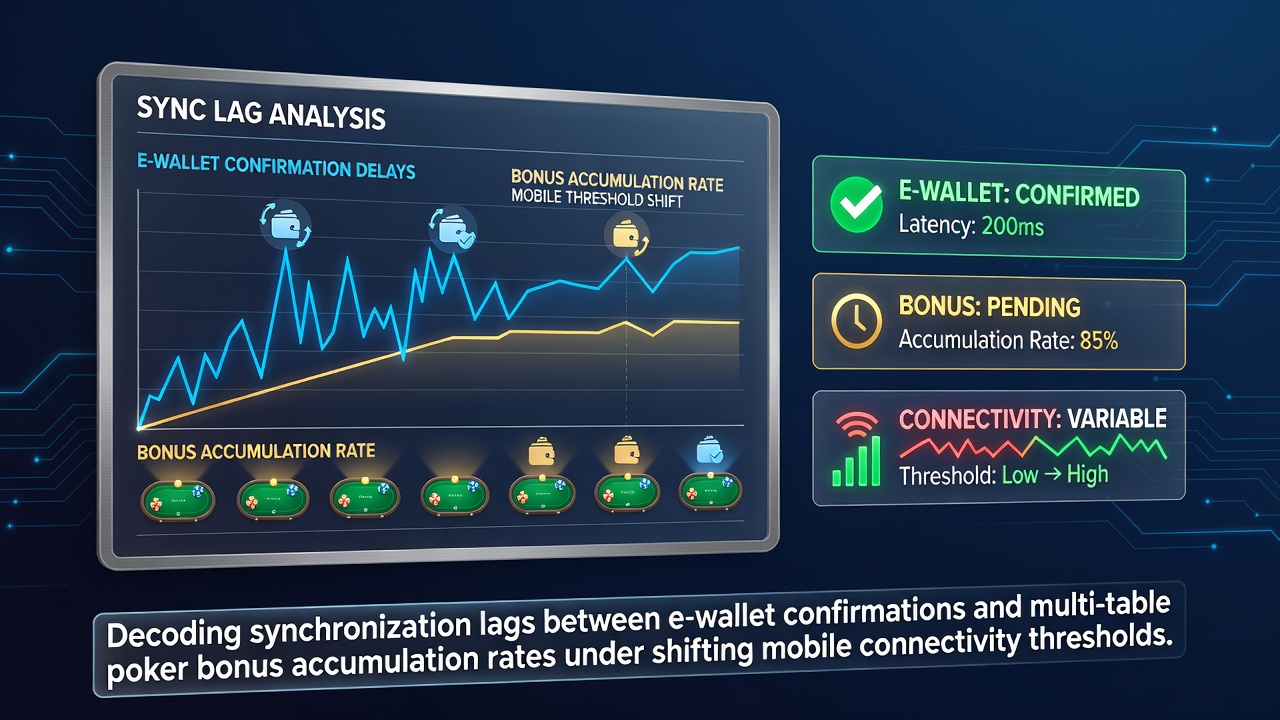
Network signal strength directly influences how quickly e-wallet transactions register within poker platforms, which in turn affects the pace at which bonus points accumulate across multiple tables. Observers note that when mobile connectivity drops below certain thresholds, confirmation delays extend from seconds to minutes, creating measurable gaps between deposit processing and reward crediting systems. Research from mobile infrastructure studies shows these lags become more pronounced during peak evening hours when data traffic spikes across urban cell towers.
Signal Variation Patterns in Gaming Sessions
Data collected from operator logs indicates that 4G and 5G handoffs often trigger brief interruptions lasting between 800 milliseconds and 3 seconds, and these pauses prevent real-time updates from reaching bonus engines. Experts tracking multi-table environments report that players maintaining four or more simultaneous games experience compounded effects because each table generates separate transaction queries that compete for bandwidth. Studies conducted by university telecommunications departments reveal that signal-to-noise ratios below 15 dB correlate with confirmation times exceeding 12 seconds on average.
Operators have adjusted their backend protocols to queue pending confirmations during low-connectivity periods, yet accumulation rates still slow when devices switch between Wi-Fi and cellular modes. Figures from North American gaming associations demonstrate that bonus accrual can lag by up to 47 percent during documented connectivity dips lasting longer than 15 seconds. Those monitoring player behavior observe that many users respond by closing tables until signal stabilizes, which further alters the rate at which loyalty metrics update.
Transaction Logging and Reward Engine Interactions
E-wallet providers transmit confirmation packets that poker platforms must validate before crediting bonuses, and this validation step relies on consistent mobile data streams. When thresholds shift due to tower congestion or physical movement, the validation sequence stalls and bonus engines hold pending points in temporary buffers. Industry reports compiled by the Australian Communications and Media Authority highlight that regional differences in 5G rollout create varying lag profiles, with metropolitan areas showing shorter delays than rural zones where signal coverage remains inconsistent.
One documented case from a mid-sized operator revealed that during a July 2026 network maintenance window, average confirmation times rose from 2.1 seconds to 9.7 seconds across mobile users, and bonus accumulation correspondingly decreased by 31 percent for the duration of the event. Platform engineers responded by implementing predictive caching that stores partial confirmation data locally on devices until full connectivity resumes, thereby reducing the visible impact on player dashboards.
Platform Adjustments Across Multiple Tables
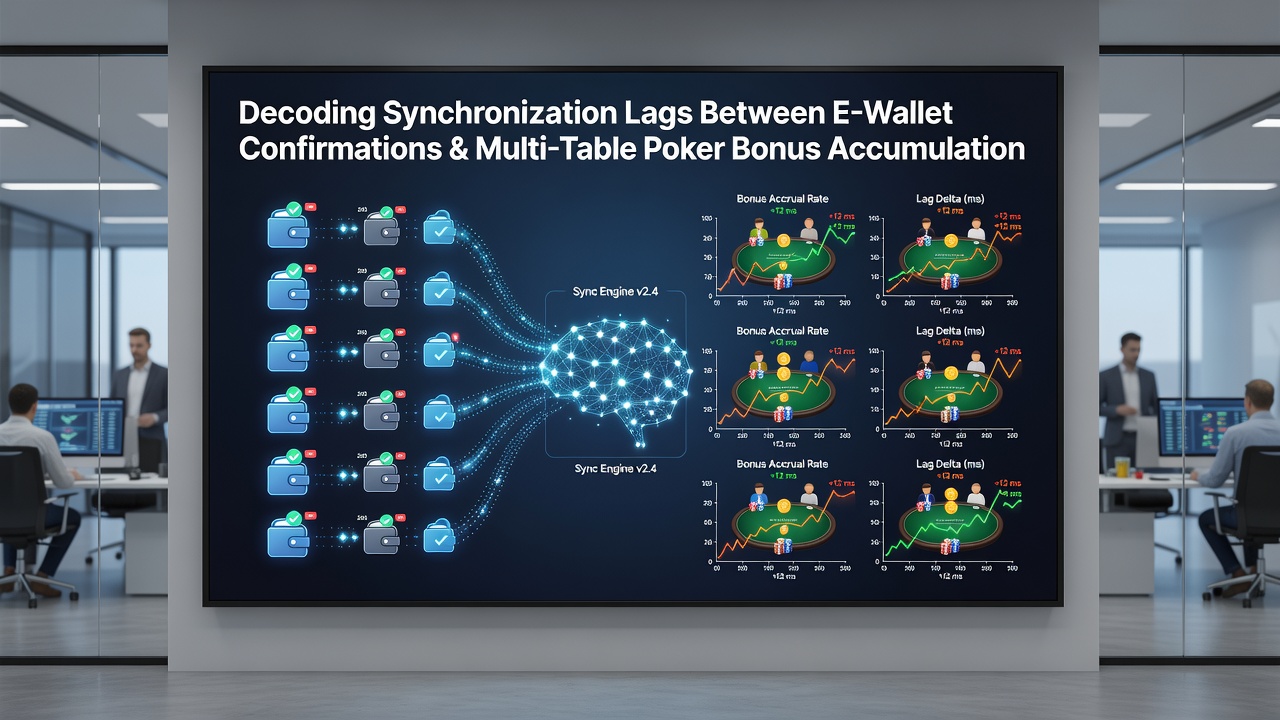
Multi-table poker environments require simultaneous monitoring of several bonus counters, each tied to distinct hand histories and wager volumes. When connectivity fluctuates, the synchronization between these counters and teh central reward server becomes uneven, resulting in staggered point postings. Research papers published by the Institute of Electrical and Electronics Engineers detail algorithms designed to prioritize critical updates during marginal signal conditions, yet residual delays persist in environments where players frequently change locations.
Regulatory filings submitted to the Nevada Gaming Control Board in early 2026 noted that certain platforms now display provisional bonus estimates that update retroactively once full confirmation arrives, helping maintain transparency without overstating actual accumulation. Players navigating these systems often discover that switching to a stronger Wi-Fi connection mid-session accelerates the catch-up process, although this action can itself introduce brief additional handshakes that momentarily pause further updates.
Measurement Approaches and Data Interpretation
Analysts employ timestamp comparisons between e-wallet API responses and internal bonus ledger entries to quantify synchronization gaps. These measurements show clear correlations with mobile signal metrics such as reference signal received power and channel quality indicators. European gaming research groups have compiled datasets indicating that average lag increases by 2.4 seconds for every 5 dB reduction in signal strength below operational thresholds.
Operators integrate these insights into dynamic throttling mechanisms that adjust bonus calculation frequency based on real-time connectivity reports from player devices. The resulting systems balance accuracy against performance, ensuring that points reflect verified activity even when network conditions vary throughout a session.
Conclusion
Shifting mobile connectivity thresholds continue to influence the timing relationship between e-wallet confirmations and multi-table poker bonus accumulation. Platform adaptations, combined with ongoing infrastructure improvements, address many of the observed lags, while measurement techniques provide clearer visibility into remaining discrepancies. Data from multiple regions demonstrates that these interactions remain a focal point for both technical refinement and regulatory oversight as mobile gaming volumes expand.