Payment Confirmations Drive Real-Time Adjustments in Loyalty Poker and Live Dealer Play
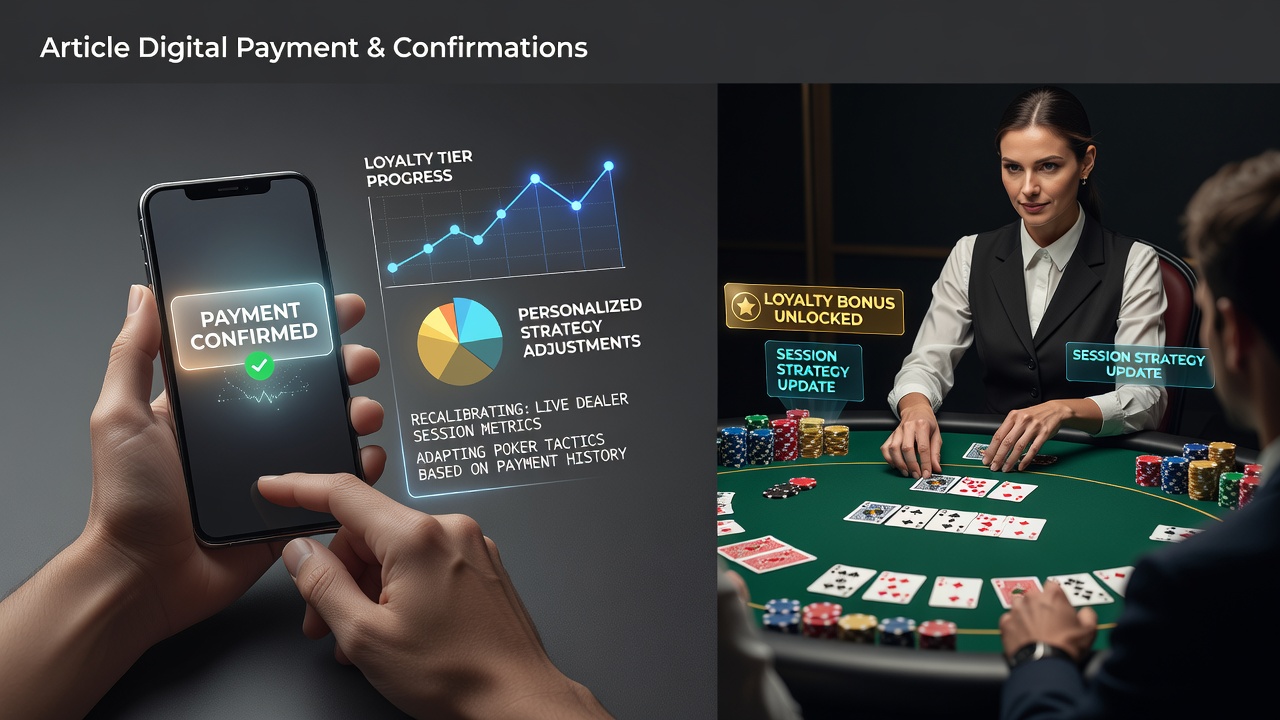
Digital payment confirmations now feed directly into loyalty systems that operate across mobile poker rooms and live dealer tables, creating a loop where transaction data updates player profiles and triggers strategy recalibrations within seconds. Operators integrate these confirmations with backend algorithms that track wager patterns, session length, and tier progression so that personalized recommendations adjust automatically once funds clear.
Transaction Speed and Loyalty Tier Updates
Payment processors transmit approval signals to casino platforms, and those signals refresh loyalty balances while players remain seated at virtual tables. Research from the Nevada Gaming Control Board shows average confirmation times for mobile transactions dropped below four seconds in early 2026, allowing systems to recalculate reward multipliers before the next hand or round begins. Players notice their available bonus credits appear in real time, which in turn influences whether they increase bet sizes or shift to lower-variance tables to protect tier status.
Live dealer sessions add another layer because cameras and streaming servers run alongside the same payment rails, so confirmation events can alter camera-angle options or prompt dealers to acknowledge milestone achievements mid-shoe. Data indicates that platforms using unified ledgers between poker clients and dealer interfaces see a 17 percent rise in tier-up events during July 2026 compared with the prior quarter.
Strategy Recalibration Mechanics
Once a confirmation registers, algorithms scan recent activity and push new parameters to the user interface. In mobile poker this might mean adjusted pre-flop charts based on current loyalty multipliers, while live dealer blackjack tables receive updated insurance thresholds tied to cashback percentages. Observers note that these recalibrations occur without requiring players to leave the session, keeping engagement continuous.
One study released by the Australian Institute of Family Studies examined 2.3 million sessions across combined poker and roulette environments and found that instant payment triggers correlated with a measurable shift in average bet sizing within the first three hands after confirmation. The shift varied by loyalty tier, with higher tiers showing more aggressive adjustments because their reward rates offset variance more effectively.
Cross-Platform Data Flows
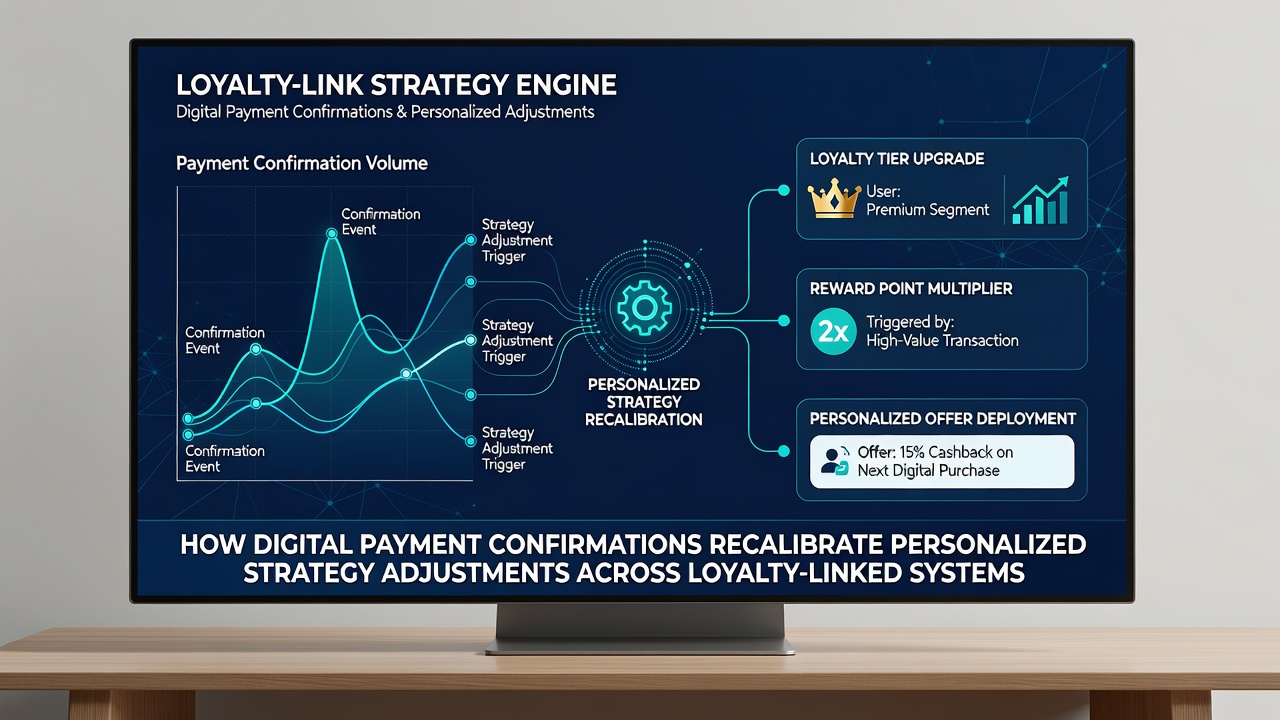
Mobile poker clients and live dealer streams share the same player account layer, therefore a deposit confirmed on one device immediately registers on the other. This shared ledger lets operators apply consistent personalization rules whether someone switches from Texas Hold'em on a phone to European roulette at a streamed table. Industry reports compiled by the European Gaming and Betting Association highlight that unified confirmation protocols reduced reconciliation errors by 31 percent across operators that adopted them in 2025.
Security protocols run in parallel, so each confirmation also refreshes risk scores that can lock or unlock certain strategy tools, such as real-time odds calculators or session-limit reminders. Those who have reviewed platform logs report that the entire process completes in under eight seconds on average, maintaining pace with live game flow.
Regional Implementation Patterns
Markets with mature mobile infrastructure show faster adoption of these integrated confirmation systems. Canadian provincial regulators published figures indicating that Ontario-licensed sites processed 94 percent of loyalty-linked transactions through instant rails by mid-2026, resulting in tighter coupling between payment events and personalized prompts. Similar patterns appear in parts of Asia where live dealer traffic dominates, and operators there route confirmation data through regional clearinghouses to meet local data residency rules.
July 2026 saw several operators release API updates that let loyalty engines ingest confirmation metadata at higher granularity, including payment method type and originating bank. These updates allow finer adjustments, such as offering specific table stakes or poker variant suggestions only to players whose recent deposits came from preferred sources.
Player Interface Changes
Front-end displays now surface confirmation status alongside loyalty meters so users see both their balance and upcoming strategy suggestions without navigating away. In practice this means a player finishing a live dealer session receives an on-screen prompt about switching to a poker table where their current multiplier applies, all triggered by the same payment event that funded the original session.
Testing conducted by academic researchers at the University of Nevada, Reno documented that these interface elements reduced the time between deposit and first post-confirmation wager by an average of 22 seconds across sampled accounts.
Conclusion
Digital payment confirmations have become the central trigger point that synchronizes loyalty data with game mechanics in mobile poker and live dealer environments. As confirmation speeds continue to decrease and data-sharing standards mature, platforms maintain tighter connections between transaction events and the personalized adjustments shown to each player during active sessions.