The Crossover Mechanics Between Digital Wallet Approvals and Real-Time Roulette Payout Triggers in Multi-Platform Environments
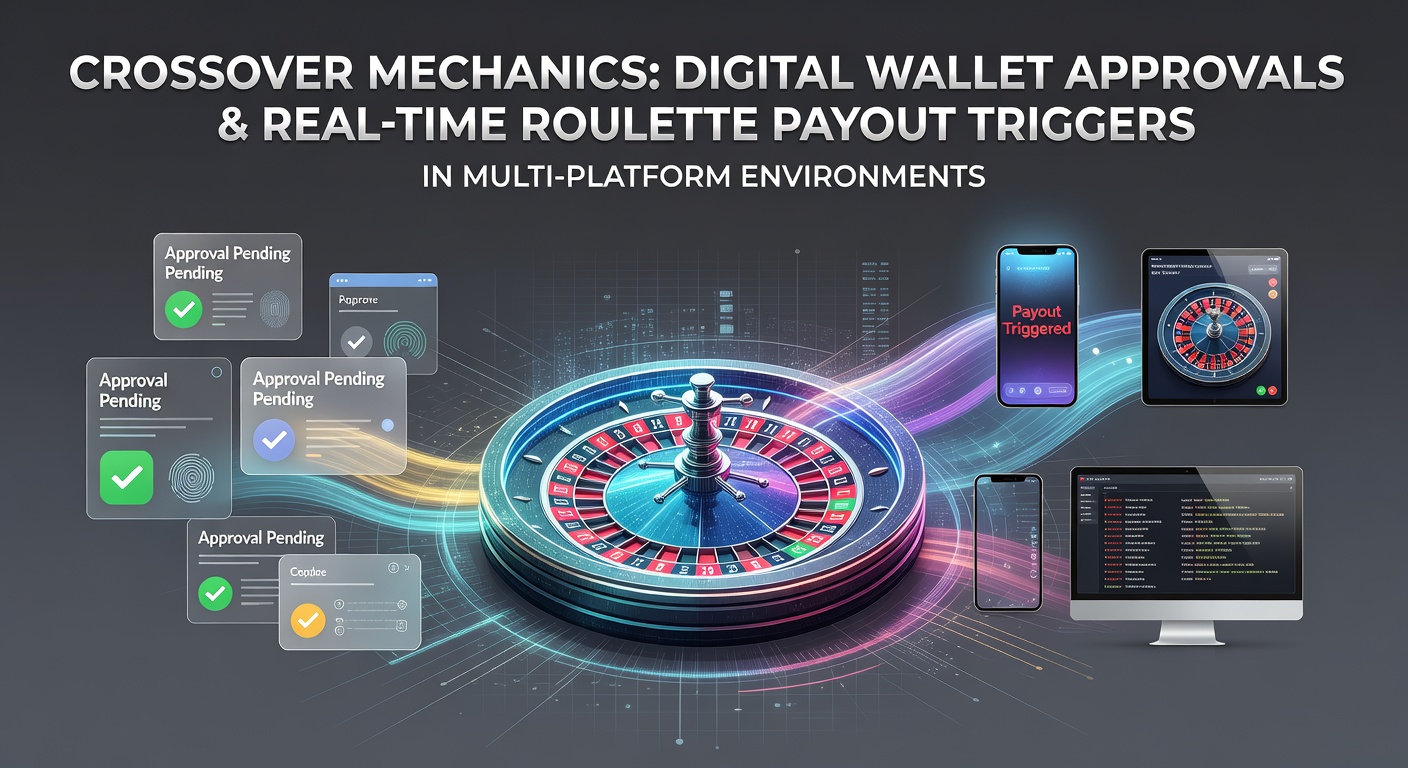
Digital wallet approvals form the foundation for secure transaction flows while real-time roulette payout triggers depend on synchronized verification systems that operate across mobile applications, desktop platforms, and dedicated casino software. These mechanics require precise coordination between identity confirmation protocols and automated game outcome processors so funds move without manual intervention once a wheel spin concludes. Observers note that platforms achieve this integration through API endpoints that link wallet providers directly to game servers, allowing approval status to update in milliseconds after each roulette result registers.
Wallet Verification Protocols in Live Game Environments
Wallet providers execute layered checks that include transaction history reviews, device fingerprinting, and regulatory compliance flags before releasing funds for gameplay or accepting payouts. In roulette settings the system monitors spin completion events and cross-references them against pre-approved wallet sessions so any pending authorization resolves automatically when the ball settles. Researchers at institutions tracking gaming technology have documented how these checks run in parallel threads, enabling platforms to maintain session continuity whether a player switches from a tablet to a desktop browser mid-game.
Multi-platform environments demand consistent state management across devices because a roulette table session initiated on a mobile app must carry the same approval token when accessed later through web interfaces. Data shows that token synchronization occurs via encrypted cloud relays that update approval statuses in real time, reducing the window between outcome detection and payout initiation to under two seconds in optimized setups. Take one major operator that implemented unified ledger tracking and found payout latency dropped by measurable margins across its European and North American servers during peak hours.
Trigger Mechanisms for Instant Roulette Settlements
Real-time payout triggers activate through event listeners embedded in roulette software that detect wheel outcomes and immediately query the connected wallet API for disbursement instructions. These listeners operate independently of player input after the initial bet placement, relying instead on pre-cleared approval flags stored during the wallet connection phase. According to reports from the Nevada Gaming Control Board, such automated pathways must comply with strict timing standards to ensure funds reach player accounts before the next spin begins in continuous play modes.
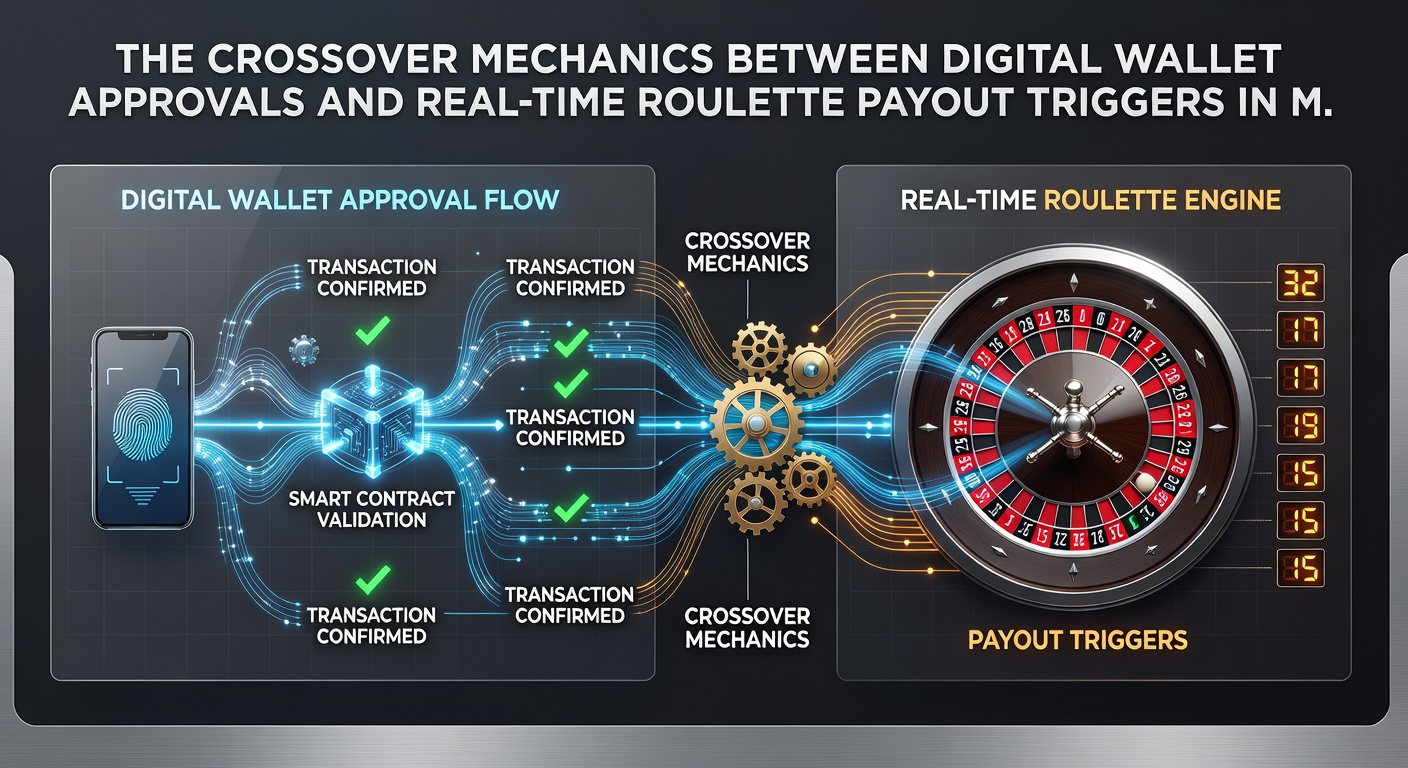
Platforms that span multiple operating systems often deploy containerized microservices to handle these triggers, allowing each component to scale separately during high-traffic periods such as major sporting events that drive increased roulette volume. The crossover becomes evident when an approval renewal occurs mid-session because the trigger system pauses briefly to revalidate the wallet token then resumes processing without resetting the active game state. Experts have observed that this approach prevents common bottlenecks where legacy single-platform systems would force players to reauthenticate and lose their place in a live table queue.
Cross-Platform Data Flow and Security Layers
Information travels between wallet servers and roulette engines through standardized protocols that encrypt both approval metadata and outcome results during transmission. In May 2026 several operators began testing enhanced quantum-resistant encryption methods on their multi-platform networks after preliminary trials showed improved resistance to interception attempts without increasing processing overhead. Those who've studied transaction logs across regions report that approval-to-payout sequences maintain consistency when players move between iOS, Android, and browser-based clients because the core ledger remains centralized while edge devices receive only temporary session keys.
Security audits conducted by independent firms reveal that successful crossover implementations incorporate redundant verification nodes so a single point of failure in one region does not halt roulette payouts for users connected through alternative platforms. And because wallet approvals often incorporate geolocation checks, the trigger system must reconcile location data with game server locations to avoid unnecessary holds on legitimate international sessions.
Integration Challenges Across Regulatory Jurisdictions
Different regions impose varying requirements on wallet approval timing and payout immediacy, forcing multi-platform operators to maintain jurisdiction-specific rule engines that feed into the shared roulette trigger framework. A study from the Australian Institute of Criminology examined how operators adjust approval refresh intervals to meet local standards while preserving seamless play across devices. The resulting architecture allows a single roulette outcome to trigger compliant payouts regardless of whether the player account was approved under Canadian or Australian frameworks earlier in the session.
Operators achieve this flexibility by tagging each approval with metadata that the payout trigger reads upon outcome detection, applying the correct regulatory filter automatically. Data from industry associations indicates that platforms using this metadata approach reduced compliance-related delays by significant percentages during cross-border testing phases completed before teh 2026 updates.
Conclusion
The interplay between digital wallet approvals and real-time roulette payout triggers continues to evolve as operators refine synchronization methods for multi-platform use. Systems that successfully link these elements deliver consistent performance by maintaining shared state across devices and embedding regulatory logic directly into trigger processes. Future developments will likely focus on further reducing verification overhead while preserving the security standards already established in major markets.