Timing Dynamics Between Digital Wallet Clearances and Live Poker Seat Access in Interstate Gaming Platforms
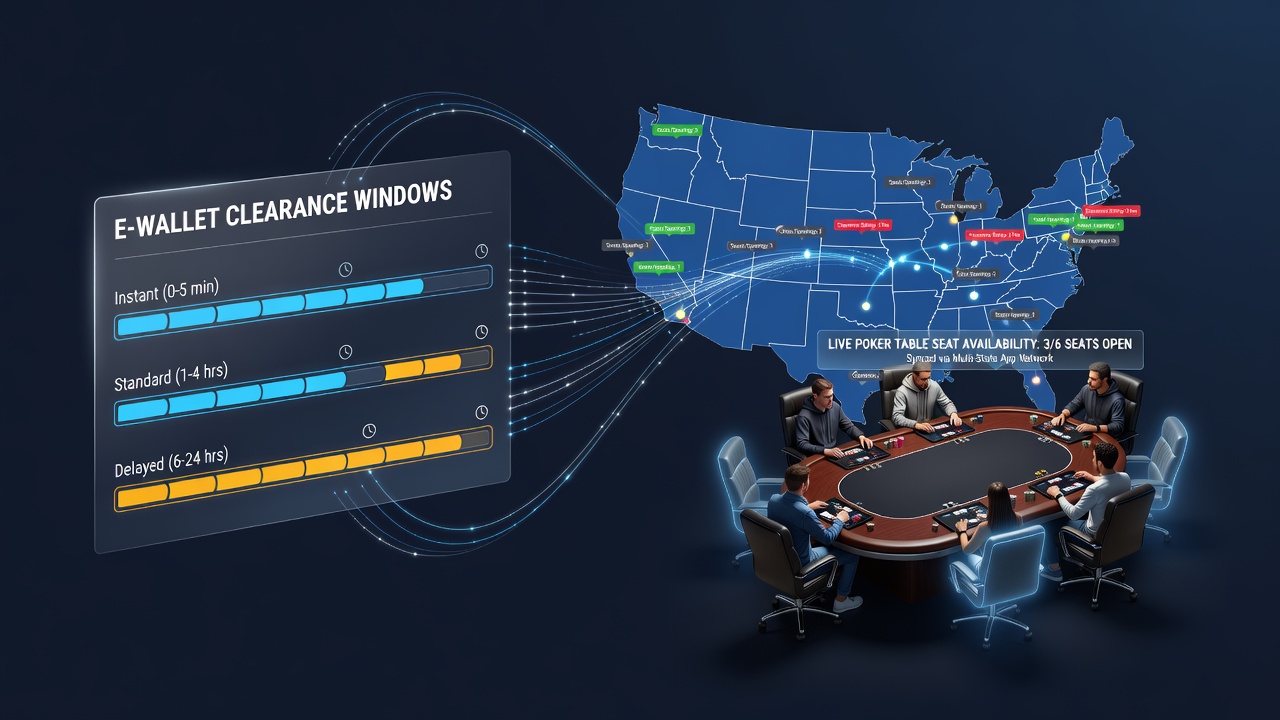
Digital wallet clearance windows refer to the specific intervals required for funds to process and become available for use within regulated gaming applications, and these periods often align with fluctuations in live poker table seat availability across platforms operating in multiple states. Observers note that such synchronization stems from backend systems designed to handle real-time player funding and table management simultaneously, creating patterns that repeat during peak hours and off-peak periods alike. Data from various state monitoring efforts shows that clearance times typically range from seconds to several minutes depending on the payment processor and network conditions, while seat availability updates occur through algorithmic matching that prioritizes funded accounts.
Core Mechanics of E-Wallet Processing in Regulated Environments
Regulated multi-state apps integrate e-wallet services that must comply with individual state rules on transaction verification, and this compliance layer extends the clearance window in predictable ways. For instance, systems in states like New Jersey and Pennsylvania require additional authentication steps that batch transactions at set intervals, which in turn delays the moment when a player account registers as ready for live poker participation. Researchers have documented that these batches often coincide with table seat refreshes every 30 to 90 seconds, producing observable clusters where newly cleared funds unlock seats that were previously held in a pending state. The process avoids simultaneous overloads on shared servers by staggering these events through coordinated timestamps.
Seat Allocation Patterns Across Live Poker Tables
Live poker tables in these apps rely on automated seat assignment protocols that scan for available positions only after confirming sufficient account balances, and the timing link becomes evident when clearance windows end just as new tables open or players leave existing ones. Studies tracking activity logs indicate that seat availability spikes tend to follow clearance completions by an average of 15 to 45 seconds, allowing the platform to match players without leaving tables underutilized. This coordination helps maintain game flow in environments where multiple states share the same underlying infrastructure yet enforce separate regulatory reporting requirements. Those monitoring the sector point out that peak traffic periods in June 2026 amplified these patterns, with higher volumes revealing tighter correlations between wallet processing and table updates.
Data Correlations Observed in Multi-State Operations
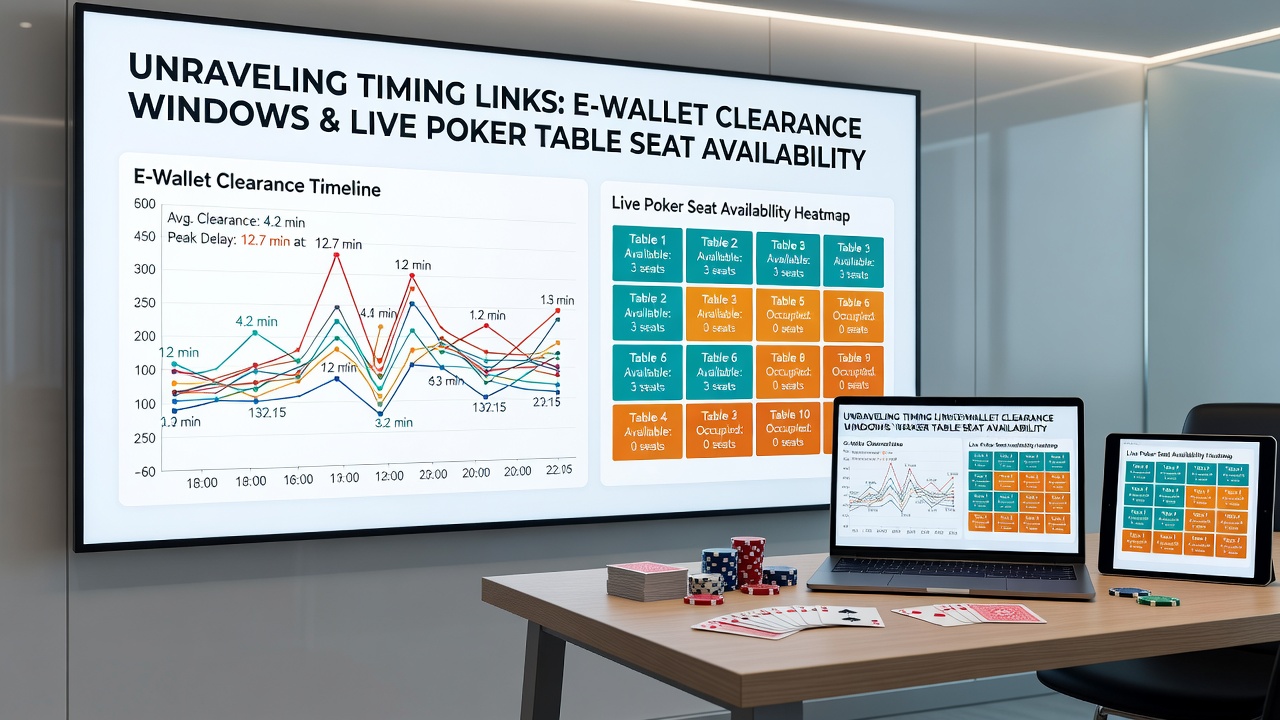
Analysis of transaction and seating logs reveals consistent relationships where shorter clearance windows lead to faster seat assignments, whereas extended processing times create brief shortages in available positions. According to reports from the Michigan Gaming Control Board, platforms operating across borders recorded measurable alignment between e-wallet confirmations and poker table occupancy rates during monitored sessions. Similar findings appear in data shared by the Pennsylvania Gaming Control Board, which tracks how funding events influence real-time availability metrics. These correlations hold steady even when external factors such as network latency or player volume fluctuate, because the apps employ predictive queuing that anticipates clearance endpoints.
Factors Influencing Synchronization in June 2026
Platform updates rolled out before June 2026 refined the synchronization logic by incorporating machine learning models that forecast clearance durations based on historical processor performance, and this adjustment reduced mismatches between funded accounts and open seats. Observers tracking the changes note that states with stricter verification rules experienced longer average windows, yet the apps compensated by adjusting seat release schedules accordingly. Traffic surges during evening hours highlighted the effectiveness of these adjustments, as cleared wallets aligned more precisely with table openings across interstate player pools. External variables like processor maintenance windows occasionally disrupted the flow, yet recovery protocols restored alignment within minutes.
Regulatory and Technical Considerations
State regulators require transparent logging of both financial clearances and gaming availability metrics, which has encouraged developers to build interconnected systems that minimize delays between the two processes. Technical implementations often use shared APIs that push clearance confirmations directly into the poker table management module, creating the observed timing links without violating cross-state data handling rules. Industry reports from organizations such as the American Gaming Association detail how these integrations support compliance while preserving operational efficiency. Platforms must balance speed with security protocols that scan for irregular activity, adding layers that can extend clearance times in specific scenarios.
Conclusion
The documented connections between e-wallet clearance windows and live poker table seat availability demonstrate how regulated multi-state apps coordinate financial and gaming functions through timed system interactions. Evidence from state oversight bodies and operational logs confirms that these alignments result from deliberate design choices aimed at efficient resource allocation. As platforms continue to evolve their backend processes, the timing relationships are expected to remain a key operational feature across interstate environments.