The Invisible Pipeline: E-Wallet Logs Powering Jackpot Seeds in Linked Gaming Systems
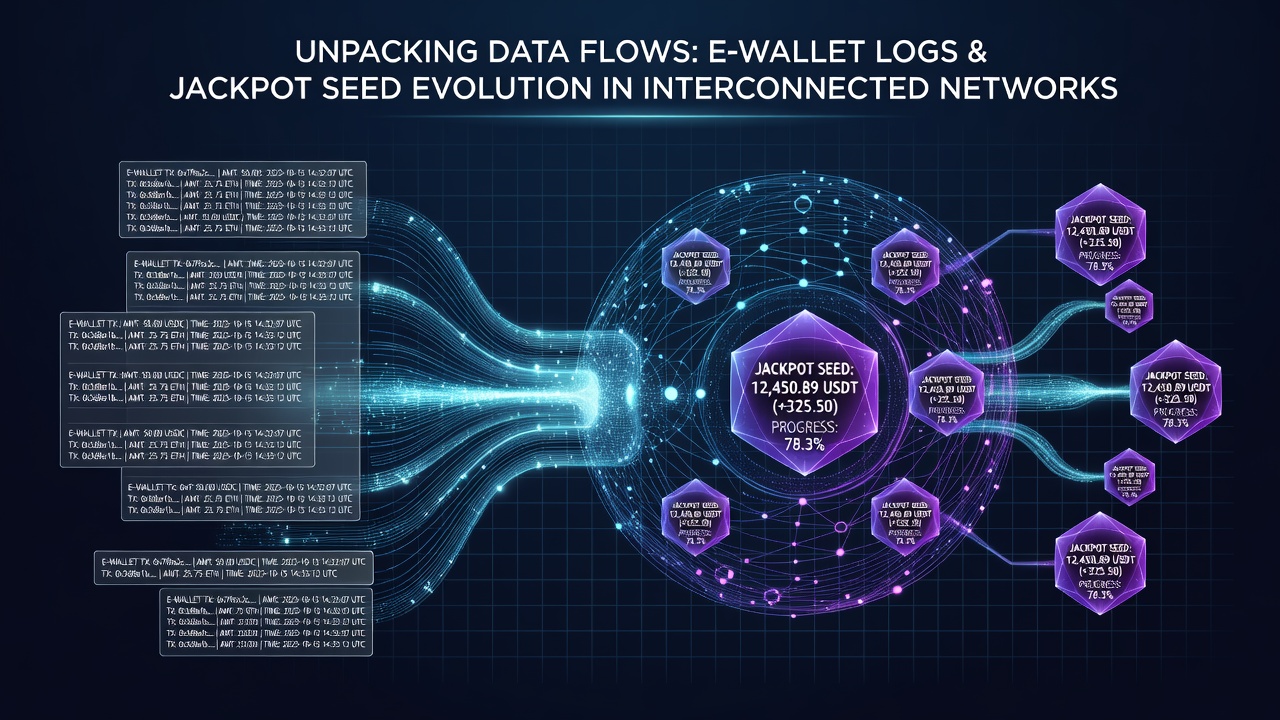 Digital wallet records now feed directly into the algorithms that adjust jackpot seed values across multi-site gaming platforms, creating continuous data streams that operators monitor in real time. These connections have grown more intricate as networks link progressive slots, table games, and sportsbooks through shared backend systems, allowing transaction details to influence contribution rates without manual intervention. E-wallet providers capture timestamps, amounts, player identifiers, and game categories during each deposit or withdrawal, then transmit anonymized aggregates to central servers that recalculate seed pools. When a user completes a qualifying spin or hand, the system pulls the relevant log entry and applies a percentage to the current seed, often within milliseconds of the action. Observers note that this process relies on standardized APIs developed by major payment processors to ensure compatibility across different jurisdictions and operators. In June 2026 several major platforms reported expanded integration between wallet logs and progressive systems, with data volumes increasing by roughly 18 percent compared to the same period in 2025. This growth coincided with broader adoption of instant funding methods that bypass traditional banking delays, allowing seeds to receive contributions from a wider range of player activity. Researchers tracking these patterns have documented how micro-transactions from mobile sessions now account for a larger share of total seed growth than desktop-based play in many markets.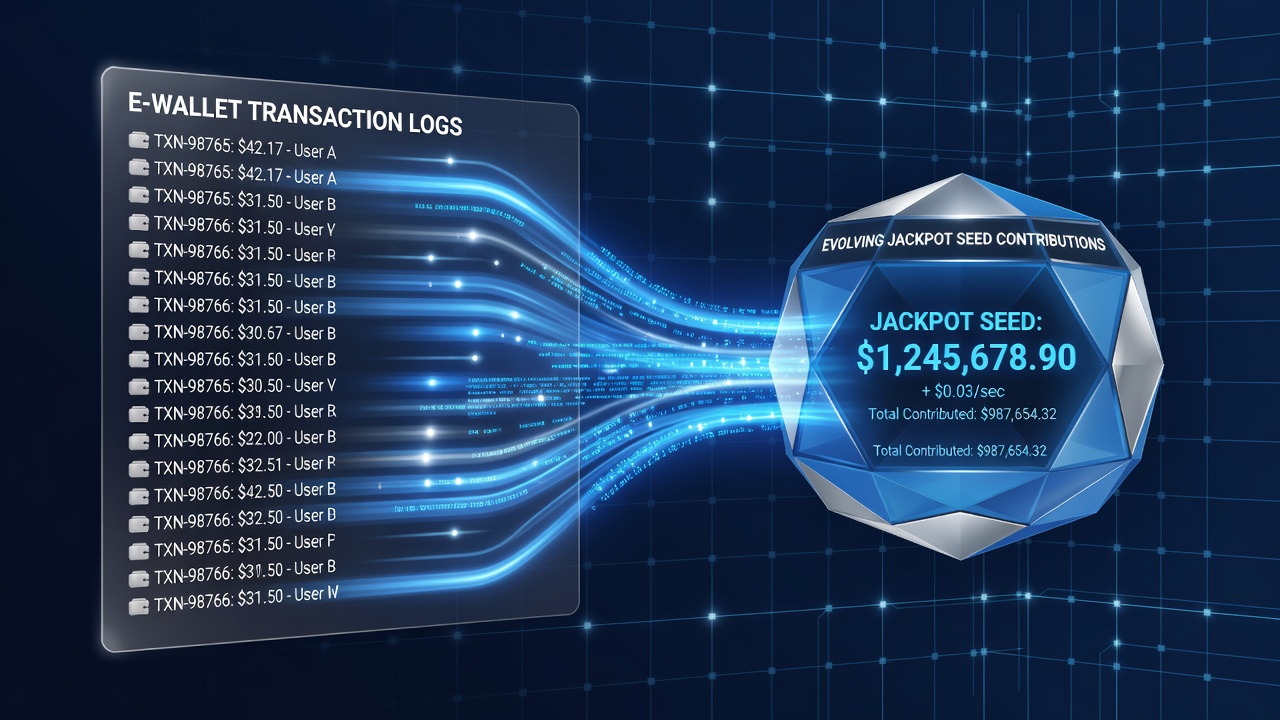
Digital wallet records now feed directly into the algorithms that adjust jackpot seed values across multi-site gaming platforms, creating continuous data streams that operators monitor in real time. These connections have grown more intricate as networks link progressive slots, table games, and sportsbooks through shared backend systems, allowing transaction details to influence contribution rates without manual intervention. E-wallet providers capture timestamps, amounts, player identifiers, and game categories during each deposit or withdrawal, then transmit anonymized aggregates to central servers that recalculate seed pools. When a user completes a qualifying spin or hand, the system pulls the relevant log entry and applies a percentage to the current seed, often within milliseconds of the action. Observers note that this process relies on standardized APIs developed by major payment processors to ensure compatibility across different jurisdictions and operators. In June 2026 several major platforms reported expanded integration between wallet logs and progressive systems, with data volumes increasing by roughly 18 percent compared to the same period in 2025. This growth coincided with broader adoption of instant funding methods that bypass traditional banking delays, allowing seeds to receive contributions from a wider range of player activity. Researchers tracking these patterns have documented how micro-transactions from mobile sessions now account for a larger share of total seed growth than desktop-based play in many markets.Mechanics of Transaction Log Processing
Transaction logs contain structured fields that map directly to contribution rules set by network operators. Each entry includes a unique session token that links the payment to specific game rounds, enabling precise allocation when a jackpot trigger occurs. Systems parse these logs through rule engines that apply different rates depending on game type, wager size, and player tier, then update the seed value before the next round begins. Platforms that operate across multiple states or provinces must route logs through regional compliance layers first, adding verification steps that check for responsible gaming flags or jurisdictional restrictions before any contribution is accepted. Data from the Nevada Gaming Control Board shows that operators submitted over 2.4 million such processed log entries in the first quarter of 2026 alone, reflecting the scale of activity feeding into shared progressive pools.Seed Evolution in Interconnected Environments
Jackpot seeds no longer follow fixed daily increments; instead they respond dynamically to aggregated transaction flows across linked sites. When one network member experiences a surge in e-wallet deposits during peak hours, the system automatically adjusts contribution percentages for all connected games to maintain balance. This responsiveness prevents any single location from disproportionately inflating or draining the pool. Analysts have identified recurring patterns where certain payment methods correlate with higher average wager values, leading to faster seed growth during those sessions. For instance, logs showing repeated small deposits from digital wallets often precede extended play periods that accelerate contributions, whereas larger one-time transfers tend to align with shorter, higher-stakes sessions.